Compare Local Contractors for Reliable Pool Leak Detection Services
Compare local contractors to verify experience, define scope, and set clear expectations for effective pool leak detection services.
Pool leak detection services typically involve identifying the source of water loss in a swimming pool, which can include inspecting the pool structure, plumbing systems, and associated equipment. Contractors may utilize various methods such as dye testing, pressure testing, or electronic leak detection tools to pinpoint leaks accurately. Understanding the scope of these services helps property owners determine what aspects are covered, whether it’s locating leaks in the pool shell, plumbing lines, or equipment connections, and ensures that the work addresses the specific issues present on the property.
Defining the scope of a leak detection project is crucial for setting clear expectations and avoiding misunderstandings. A detailed scope outlines the specific areas to be inspected, the techniques to be used, and the extent of the investigation. This clarity allows property owners to communicate their concerns effectively and ensures that contractors deliver a comprehensive assessment. Having a written scope also provides a reference point for any follow-up work or repairs that may be needed, fostering transparency and helping to prevent scope creep during the project.
When comparing local contractors for pool leak detection, property owners should consider the experience and expertise of each service provider, including their familiarity with the types of pools and plumbing systems common in the area. It’s helpful to review what services are included in their scope and verify that they can handle the specific issues faced. Asking for detailed descriptions of their methods and requesting written estimates or proposals can aid in making an informed choice. Focusing on clear communication and thorough documentation ensures that property owners can select a contractor best suited to address their pool leak concerns effectively.
Compare local contractors by outlining your needs, verifying experience, and setting clear expectations in writing.
- Compare Local Contractors - Review multiple service providers to find those with relevant experience in pool leak detection.
- Define Scope Clearly - Ensure the extent of work and methods are outlined in writing before hiring.
- Verify Experience - Check the background and previous work of contractors to assess their expertise.
- Set Expectations in Writing - Document the agreed-upon scope, procedures, and responsibilities to avoid misunderstandings.

Clearly describe your pool leak detection project to help compare local contractors, define scope, verify experience, and set written expectations.
- Verify the contractor’s experience with pool leak detection to ensure familiarity with different pool types and systems. - Consider how the contractor defines the scope of leak detection to ensure all potential issues are addressed.
- Compare the methods and techniques used by different service providers to identify leaks accurately and efficiently. - Review how contractors explain their process and the tools they employ for leak detection.
- Ensure the contractor provides a clear, written scope of work outlining the leak detection process and expected outcomes. - Clarify what is included in the service to prevent misunderstandings or scope creep.
- Check that the contractor can identify potential causes of leaks and offer recommendations for repairs or further evaluation. - Look for providers who can assess the overall pool system and identify related issues.
- Assess the contractor’s ability to communicate findings clearly and provide detailed reports or documentation. - Confirm that the service provider can deliver comprehensive information about the leak location and severity.
- Compare multiple local contractors to evaluate their experience, scope definitions, and communication practices before making a selection. - Gathering information from various providers helps in choosing the most suitable leak detection service.
Compare local contractors’ experience, clarify scope, and set clear expectations in writing.

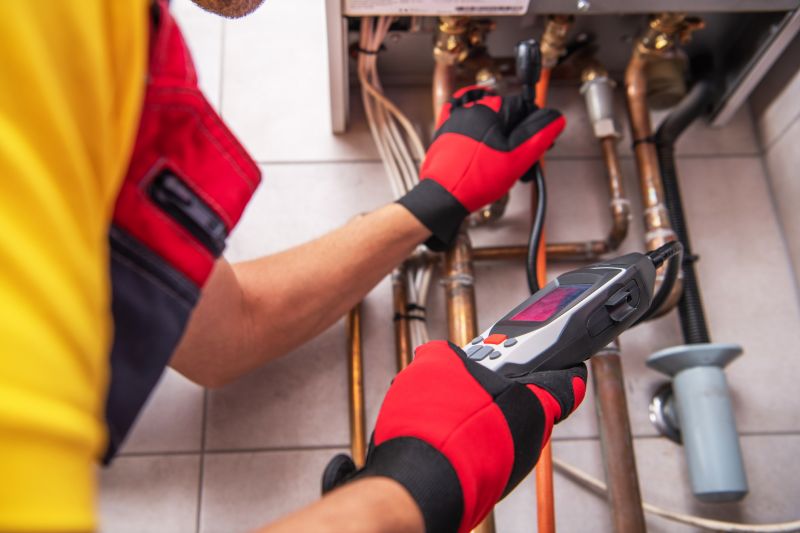
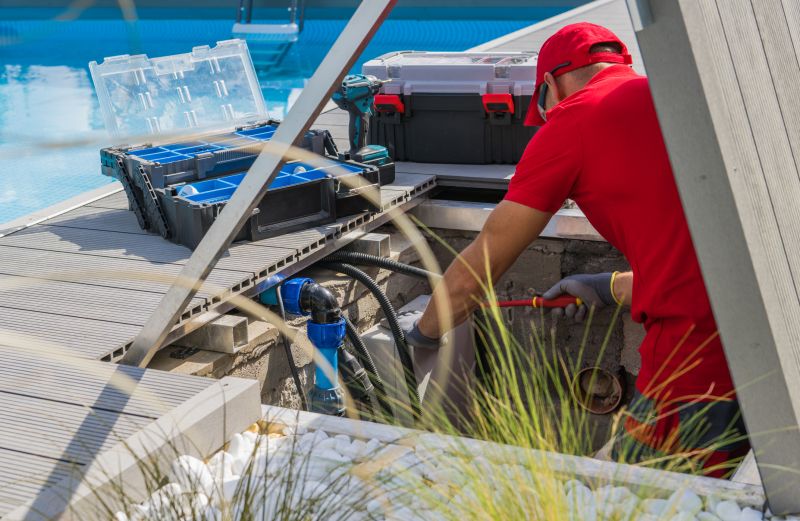
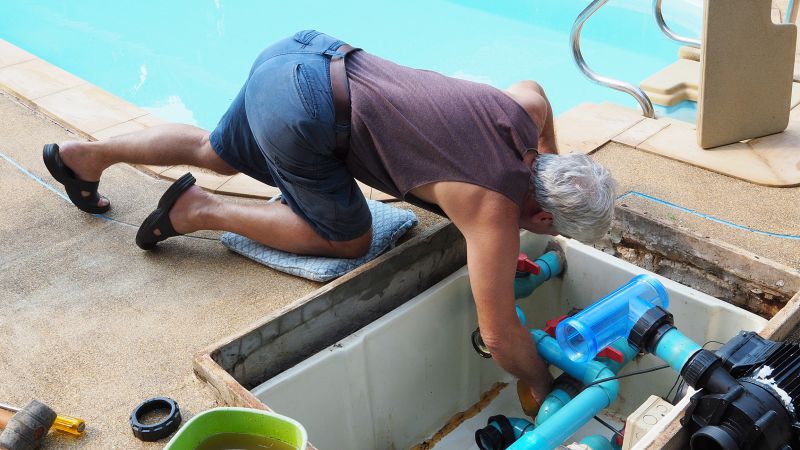
Learn how to compare local contractors, define project scope, verify experience, and set clear expectations in writing.
- Scope Definition - Clearly outline the specific leak detection methods and areas to be inspected by the service provider.
- Experience Verification - Confirm that local contractors have relevant experience with pool leak detection techniques and equipment.
- Service Description - Obtain a detailed explanation of the process and steps involved in the leak detection service.
- Written Agreement - Ensure all scope details, responsibilities, and expectations are documented in a formal agreement.
- Follow-up Procedures - Clarify the procedures for reporting findings and any recommended next steps after the inspection.
When comparing contractors for pool leak detection services, it’s important to consider their experience with similar projects. Service providers with a history of handling pools of comparable size, type, or construction materials are more likely to understand the specific challenges involved. An experienced contractor can better identify potential issues and recommend effective solutions based on practical knowledge gained from past work. Homeowners should inquire about the types of pools they have worked on and the complexity of previous leak detection jobs to gauge whether a contractor’s background aligns with the needs of their pool.
A clear, written scope of work is essential for setting expectations and ensuring that both parties understand what the leak detection process will involve. A reputable service provider should be able to outline the steps they plan to take, the methods they will use, and what areas or components will be inspected. This documentation helps prevent misunderstandings and provides a basis for evaluating whether the proposed approach covers all necessary aspects of the leak detection. Homeowners should review the scope carefully and ask for clarification or adjustments if any part of the plan seems vague or incomplete.
Verification of a contractor’s basic procedures is a key factor in selecting a reliable service provider. This includes understanding how they will locate the leak, what testing methods they employ, and how they confirm the leak’s source. A professional contractor will typically perform multiple verification steps to ensure accuracy, such as dye testing, pressure testing, or visual inspection. Homeowners can ask about these verification techniques to assess whether the contractor’s approach is thorough and methodical, which can lead to more accurate results and fewer surprises during the process.
Evaluating options without focusing on prices involves comparing the qualifications, scope, and verification methods offered by different service providers. It’s advisable to ask each contractor to explain their approach and how they plan to identify and confirm the leak. Consider how well each proposal matches the specific needs of the pool, the clarity of the scope, and the thoroughness of the verification process. By focusing on these factors, homeowners can make informed decisions based on the quality and reliability of the service providers, rather than just cost considerations. This approach helps ensure that the chosen contractor has the experience and methods necessary to deliver effective leak detection results.
Ask contractors to provide written scope details to ensure clear understanding and consistent expectations for the job.
- Experience and Expertise - What experience do local contractors have with detecting and repairing pool leaks?
- Scope of Services - How do contractors define the scope of leak detection and what methods do they use?
- Verification and References - Can contractors provide references or examples of past leak detection projects?
- Scope Clarity - Are the services offered clearly outlined in writing, including what is included and excluded?
- Comparison Factors - How do local service providers differentiate their leak detection services to help compare options?
How can I compare different contractors for pool leak detection? To compare contractors, review their experience, verify their methods, and ensure they provide clear written scope of work to understand what services are included.
What should I ask contractors about their leak detection process? Inquire about the techniques they use, how they locate leaks, and whether they perform pressure tests or use specialized equipment to ensure accurate detection.
How important is verifying a contractor’s experience in pool leak detection? Verifying experience helps ensure the contractor is knowledgeable about various pool systems and can accurately identify leaks without unnecessary damage or guesswork.
What details should be included in a written scope of work with a contractor? The scope should specify the leak detection methods, areas to be inspected, expected outcomes, and any follow-up procedures to prevent misunderstandings.
Why is it helpful to define the scope of work before hiring a contractor? Defining the scope helps set clear expectations, ensures all necessary services are included, and provides a basis for comparing proposals from different service providers.
How can I ensure a contractor's approach aligns with my needs? Review their proposed methods, ask for explanations of their process, and confirm that their approach matches the specifics of your pool and leak concerns.
By reviewing the information provided, visitors can better understand the importance of comparing local contractors for pool leak detection, including verifying their experience and clearly defining the scope of work. Setting expectations in writing helps ensure transparency and a smoother process. Utilizing the quote form allows for easy comparison of options and connecting with trusted service providers in the area.
Taking a moment to fill out the quote form can assist in identifying qualified local contractors who specialize in pool leak detection. This step supports making an informed decision by exploring available options and establishing clear communication with service providers who can handle the job effectively.